Garage Door Will Not Close and Keeps Reversing: Why It Happens
A door that reverses when closing is usually protecting you. The photo-eye sensors are the first thing to check, but they are not the only cause.
At a glance: A door that reverses when closing is usually protecting you. The photo-eye sensors are the first thing to check, but they are not the only cause.
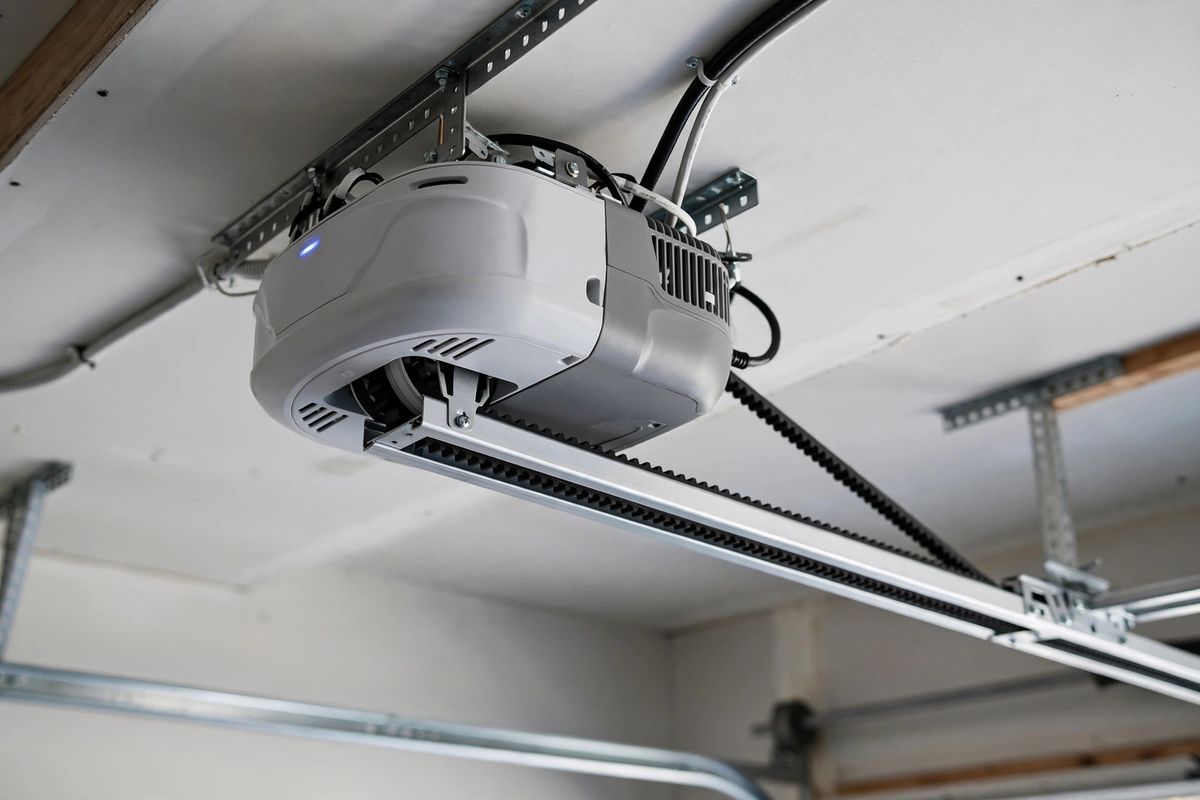
A garage door that starts to close, then reverses and opens again, is doing what it was designed to do. The opener is detecting something wrong and reversing as a safety measure. That is reassuring, but it is also frustrating when the door will not stay closed and the house cannot be secured. The good news is that the most common cause is simple, and you can check it yourself in a few minutes. The other causes need a contractor, and knowing the difference saves time.
The photo-eye safety sensors
Near the floor on both sides of the door, there are two small photo-eye sensors that face each other across the opening. One sends an infrared beam and the other receives it. If anything breaks that beam while the door is closing, the opener reverses the door. The sensors are a safety feature required on modern openers, and they are the first thing to check. Look for anything blocking the beam: a box, a bicycle wheel, a trash can, or even a spider web. Wipe the sensor lenses gently with a clean cloth, because dust and cobwebs can block the beam. Then check that both sensors are pointing at each other. If one has been knocked out of alignment, its indicator light will usually be off or blinking. Loosen the bracket slightly, adjust the sensor until the light is steady, and tighten it again. If the door then closes normally, you have found the problem.
When the sensors look fine
If the sensors are clean, clear, and aligned, and the door still reverses, the problem may be in the opener's settings or in the door itself. The opener has travel and force settings that control how far the door moves and how much resistance it will push through before reversing. If the travel setting is slightly off, the opener may think the door has hit the floor before it actually has, and reverse. If the force setting is too low, the opener may reverse at the slightest resistance. Both settings can drift over time, and a contractor can test and adjust them. A door that binds in its tracks, or a roller that is worn, can also create enough resistance to trigger a reversal. That kind of problem is covered on our garage door opener repair page, along with the other opener faults that cause reversing.
A door that is binding or damaged
A door that reverses at the same point every time is often binding at that point. Look for a bent track, a roller that is worn or out of its track, or a hinge that is stiff. Cold weather can make a door bind more, because metal contracts and lubricant thickens. If you can see a bent track or a roller out of place, do not force the door. Forcing a binding door can bend the track further and damage the opener. Leave the door where it is and call for garage door repair. A contractor will inspect the tracks, rollers, and springs, and find the point where the door is catching.
What to do while the door will not close
If the door will not close at all, secure the house door between the garage and the home, and keep valuables out of the garage until the problem is fixed. Do not disconnect the opener and try to force the door down by hand if it feels heavy or crooked, because that can mean a spring or cable problem as well. Note when the door reverses, whether the opener light flashes, and whether the sensor lights are steady or blinking. That information helps the contractor when you call (615) 845-8263. Homeowners in Murfreesboro, TN and nearby Nashville can describe the problem in their own words, and we will help connect them with an independent local contractor.
Key takeaways
- Check the photo-eye sensors first: clear, clean, and aligned.
- A door that reverses at the same point is often binding in its tracks.
- Do not force a door that will not close, especially if it feels heavy or crooked.
- Note the sensor lights and any flashing opener light before you call.
Frequently asked questions
Common causes are a dead remote battery, a lost remote pairing, blocked or misaligned safety sensors, worn gears, or a failed circuit board. A contractor can test the opener, sensors, and door balance to find the cause.
No. If the opener hums or strains, turn it off and call for service assistance. Continuing to run it can burn out the motor.
If the opener is relatively new and only one part has failed, repair is usually sensible. If it is 10 to 15 years old and needs a major part, a contractor can discuss whether replacement is the better value.
Does your door have this problem?
If the problem in this guide sounds like your door, call (615) 845-8263 and describe it to a garage door specialist.
Related services
- Garage Door Opener Repair — Help with openers that hum, click, reverse, or stop responding to the remote, keypad, or wall control.
- Garage Door Repair — Help with doors that will not open, will not close, make noise, or have stopped working the way they should.
Related guides
See all guides on our blog, or browse our garage door services.
Need help with your garage door? Call today.
Call now to speak with a garage door specialist about your door, or get service assistance through our contact page.